Leave the Keys at Home: Into the Wild with Car‑Free Basecamps
Today we’re diving into Car-Free Nature Basecamps, places you can reach by train, bus, bike, boat, or on foot, where quiet nights and clear skies come without a parking lot. Discover how slower arrivals deepen presence, how lighter packing simplifies decisions, and how shared transport cuts emissions while building community. Join us as we explore practical routes, clever gear tricks, safety know‑how, and heartfelt stories that prove adventure grows when engines rest and footsteps lead.
Why Ditch the Car for Wilder Weekends
Stepping off a train or ferry into birdsong sets a different tone than slamming a car door. Car‑free arrivals reduce noise, shrink footprints, and invite a more mindful pace. You notice wind direction, read the sky, and listen for creeks. Fewer idling engines mean stars shine brighter, conversations travel softer, and sleep comes easier. This isn’t about hardship; it’s about exchanging convenience for connection, swapping stress for simplicity, and finding freedom in not worrying where to park.
Finding Basecamps Linked by Trains, Buses, and Boats
Great spots hide in plain sight along rail spurs, regional bus loops, and heritage ferries serving trailheads and shoreline parks. The secret is stacking schedules: pair a morning express with a midday connector, then a shuttle or mellow walk. Off‑peak departures unlock quieter camps and cheaper seats. Coastal islands, river valleys, and alpine foothills often keep car access tight but excel at transit. With a little curiosity, timetables become treasure maps and stations feel like gateways.
Maps, Schedules, and Seasonal Patterns
Start with transit overlays on your favorite mapping app, then compare service calendars against wildflower blooms, fall colors, and snowmelt bridges. Some buses add bike racks in summer, while shoulder seasons bring extra weekend trains. Ferry tides shape departure windows and return options. Call local visitor centers; they often know unofficial shortcuts and boardwalk links. Build generous buffers, celebrate serendipity, and remember that a missed connection can turn into an unexpected sunset in a pocket meadow.
The Last Mile Without a Steering Wheel
Solve your final stretch with folding bikes, campground shuttles, loaner handcarts, or simple footpaths signed from the stop. Many basecamps maintain wheelbarrows, sleds, or e‑cargo options for hauling water and wood. If terrain is steep, time arrivals for cooler hours and split loads among friends. Some regions offer flag‑stop buses at trail junctions; learn the etiquette. The last mile becomes a ribbon of anticipation, not a chore, when wheels rest and legs awaken.
Booking Tactics That Save Sleep and Money
Target camps with timed entry aligned to transit windows, and set alerts when cancellations pop up after storms or heatwaves. Midweek stays stretch serenity and budgets. Pair nonrefundable rail deals with flexible camp reservations to hedge weather. If a ferry sells out, consider a night in a hiker hut near the dock, then glide over at dawn. Message hosts about late arrivals; many will stage water, bear canisters, or fire permits for smooth, quiet check‑ins.
Packing Light: Gear Strategies for Transit and Trailheads
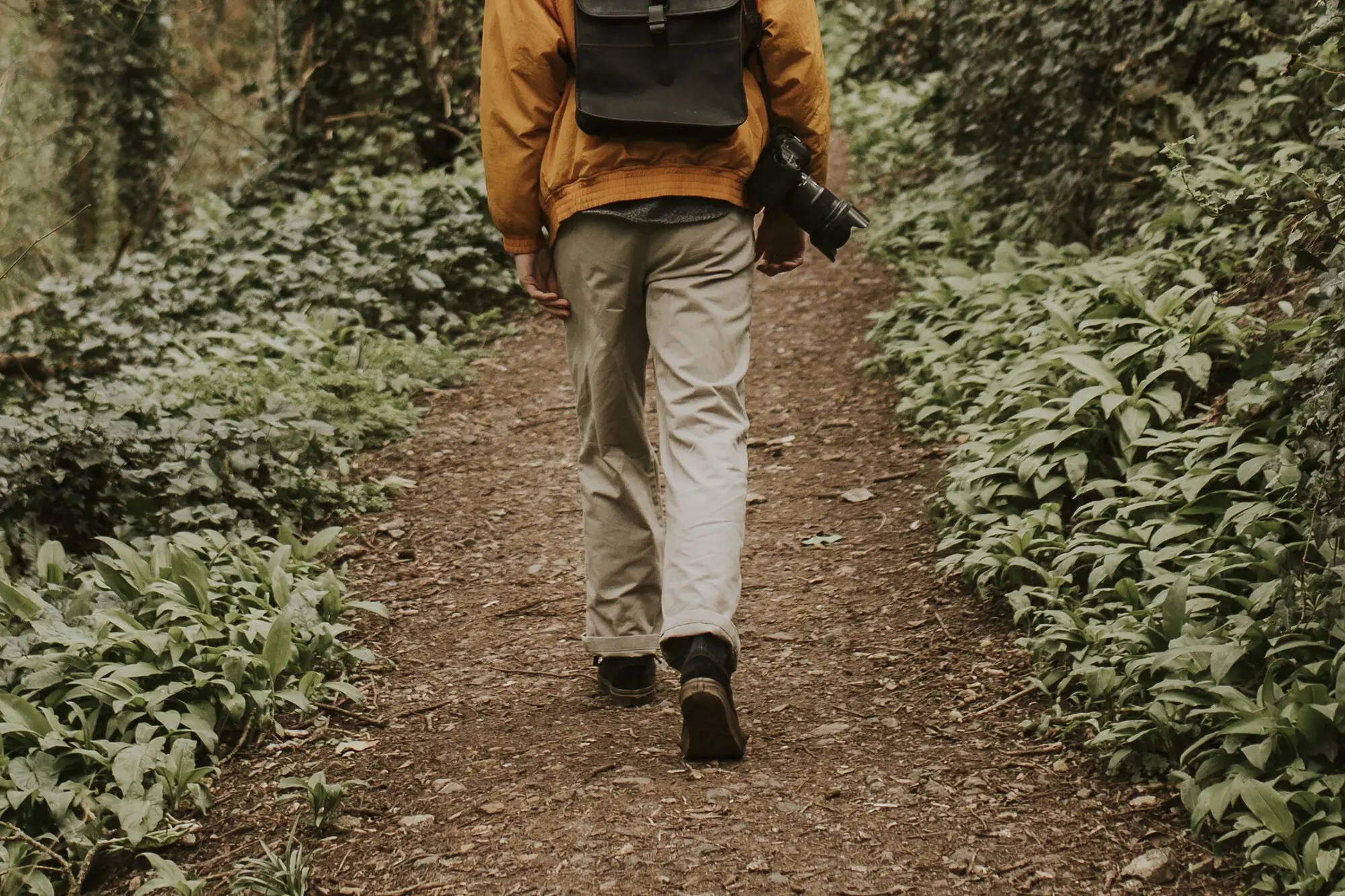
Going car‑free turns packing into an elegant puzzle. You trade duplicates for multipurpose items, chase grams, and choose fabrics that dry fast on a line. Compression sacks shrink bulk, while a small tote handles transit snacks and station errands. Footwear earns its keep across platforms, gravel, and pine duff. Borrow or rent heavy items at the destination when possible. The reward is mobility: when a connection changes, you shoulder everything and pivot without panic.
Basecamp Design: Tents, Cabins, and Communal Spaces That Work Without Cars
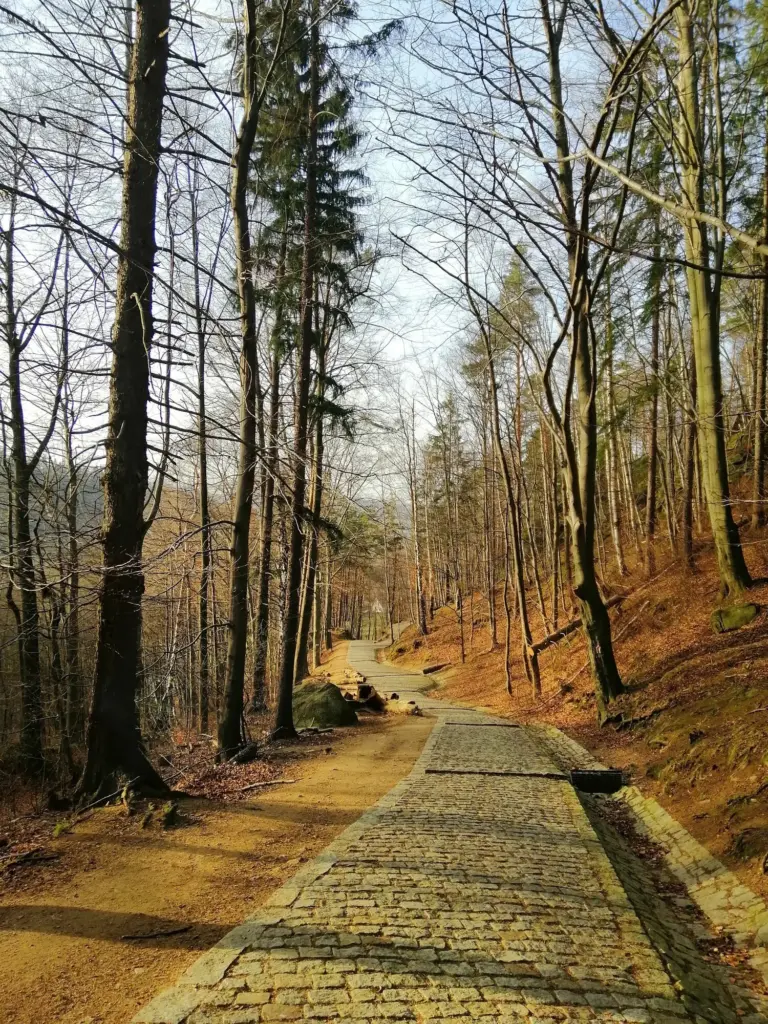
Car‑free sites shine when layouts honor footpaths, quiet corners, and gathering nooks. Platforms protect roots and channel rain, while small shelters ease storms without inviting crowds. Group tables near bear boxes simplify food safety and conversation. A central kiosk with maps, tide charts, and ranger notes replaces dashboard printouts. Handcarts near entrances turn hauling into a game. When engines stay away, design favors human scale, gentle lighting, and the soft choreography of arriving on foot.
Trail Kitchens That Ride the Rails
Some rail operators restrict fuel types; check rules before boarding. Alcohol stoves pack tiny but fade in wind; upright canisters pair with real windscreens and wide pots for efficient boils. A heat‑resistant pouch turns couscous, lentils, or instant polenta into warm dinners without extra fuel. Pack spices in straw segments or micro vials. Keep a tiny scrub pad and drop of biodegradable soap for leave‑no‑trace cleanup that satisfies rangers and future campers alike.

Campfire Alternatives That Still Gather Hearts
When wood collection is banned or droughts rage, center evenings around sky and story. String a dim, amber micro‑light under the tarp, sip something hot, and pass a shared journal. Try constellation bingo with kids or a guided night sound sit. A reflective blanket boosts perceived warmth under knees. Many basecamps host ranger talks; let a short walk replace firewood scrounging. Warmth comes from company, timing layers, and a mindful cup cradled slowly.
Safety, Weather Windows, and Emergency Planning
Preparedness feels different without a trunk of backups, but it’s absolutely doable. Learn to read forecasts across elevation bands and shorelines, then build plans with flexible outs. Share itineraries and transit schedules with a trusted contact. Carry layers that work on platforms, boats, and ridges. Keep communication realistic: sometimes silence means beauty and caution. Your return ride is part of the horizon; pack time to meet it calmly, even if storms rewrite pages mid‑journey.
Forecast Literacy for Moving People, Not Parked Machines
Check synoptic charts for fronts, not just icons. Note wind shifts that reshape ferry conditions or ridge chills. Time departures to dodge convective afternoons, and embrace dawn starts for stable miles. In shoulder seasons, cold rain wins more hypothermia battles than snow; prioritize shell quality and dry backups. Build turnaround times that respect transit cutoffs. When plans hinge on schedules, humility is strength, and choosing safety becomes a practiced, proud part of adventure.
Signals, Maps, and Battery Wisdom
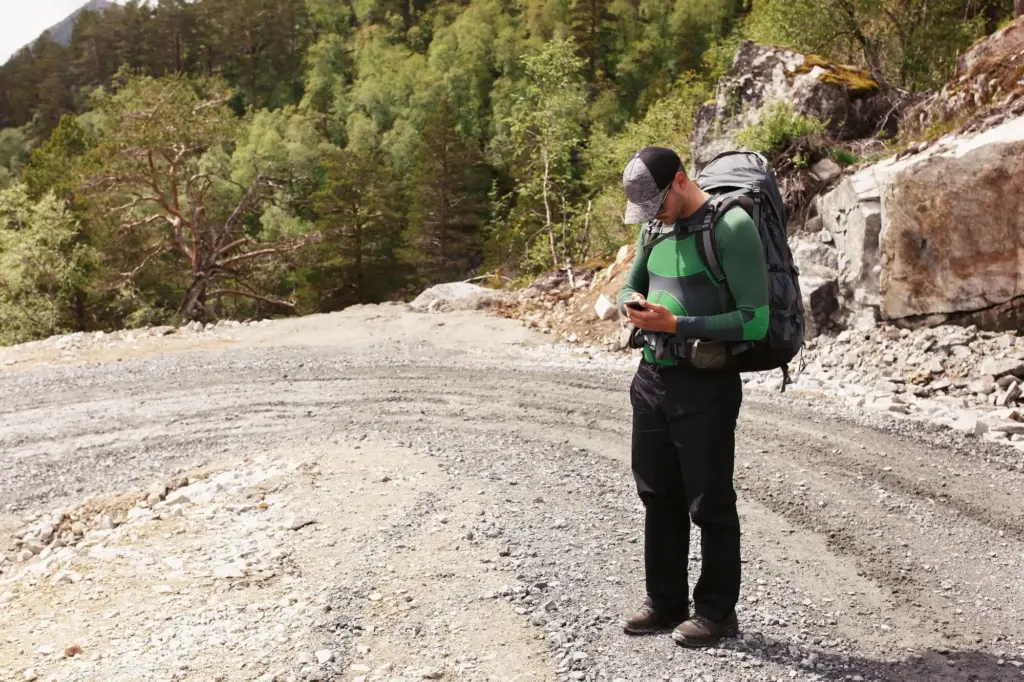
Download offline maps, tide tables, and bus timetables before you leave Wi‑Fi. Carry a compact power bank, but ration screen time with paper companions: a folded map, a tiny compass, and written emergency numbers. Airplane mode is your quiet superpower. If a route forks, mark decisions on paper to guide tired brains at dusk. Teach partners simple hand signals in case wind steals voices. Batteries are finite; awareness and old‑school tools stretch them beautifully.
Community, Stewardship, and Stories from the Trail
{{SECTION_SUBTITLE}}

Leave No Trace as Daily Practice
It begins at the station: sort trash, seal food scents, and step lightly from the first mile. Camp on durable surfaces, strain dishwater, and respect quiet hours even when excitement bubbles. Use established fire rings only where permitted, and often not at all. Wildlife deserves distance; cameras can zoom, hearts can widen. If you find micro‑litter, make it disappear. Small habits, repeated kindly, become culture, and culture protects places more reliably than rules alone.
Local Economies Thrive When Wheels Rest
When travelers arrive by bus or train, spending patterns spread: markets, cafes, gear repair, and guide services see steady, human‑scaled support. Seasonal workers commute more easily, and weekend crowds distribute beyond overburdened parking lots. Ask for regional products, tip generously, and learn a few hometown phrases. Sustainable tourism is not a slogan; it is eye contact, return visits, and mutual respect. Healthy trail towns become partners in protection, not victims of popularity.