Hut-to-Hut Adventures You Can Reach by Train and Bus

Getting There Without a Car
Choosing Transit-Friendly Mountain Gateways
Pick hubs with frequent services and simple transfers, where morning departures place you at altitude before midday weather builds. Think rail towns backed by cable cars, bus-linked valleys with well-signed junctions, and ferry-served lakes that unlock balcony trails without a single parking decision.
Cracking Timetables and the Last Mile
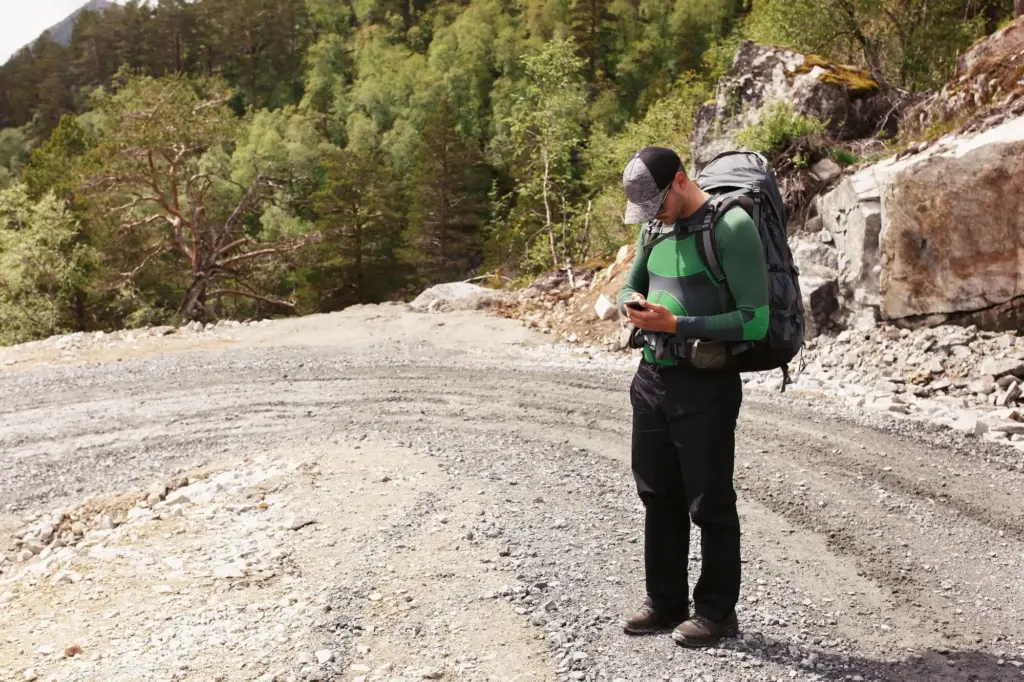
Learn the rhythm of departures like a river’s pulse, and you will stop fighting time. Cross-check national rail planners with regional bus schedules and lift timetables, watching for seasonal gaps or lunch breaks. When available, reserve critical seats and screenshot everything for offline certainty.
Buffer Days, Bivouacs, and Plan B Connections
Even the best schedules bend. Add a soft prologue day near the gateway to shake off jet lag, buy gas canisters, and confirm hut details. Keep alternate exits and extra valley buses in mind so a storm becomes a story, not a scramble.
Linking Huts into a Memorable Line
Bookings, Memberships, and Bed Types
Confirm opening dates, meal options, and payment methods before lacing boots. Alpine associations often provide discounts, reciprocal rights, and up-to-date notices, while DNT-style systems may use keys and honesty boxes. Expect dorms, private rooms in popular areas, and shared tables where camaraderie nourishes like soup.
Pacing: Elevation, Time, and Terrain
Use map profiles and Naismith-style rules as guides, then adjust for technical ground, heat, and photo stops. A thousand meters gained on smooth trail differs from airy ledges or talus. Calibrate ambitions to daylight, hut dinner times, and the joy of arriving unhurried.
Weather Windows and Seasonal Operations
Mountain transport, bridges, and huts operate seasonally, and shoulder weeks can be glorious or complicated. Read regional notices, call wardens, and watch freezing levels. Summer thunderstorms favor early starts, while autumn brings crisp clarity and shorter days. Winter traverses demand avalanche literacy and entirely different equipment.
Packing Light, Living Well in the Huts

Sample Itineraries, Step Off the Platform and Go
Navigation, Safety, and Good Decisions
Waymarks, Apps, and Old-School Backups
Hazards You Can Anticipate and Avoid
Emergency Numbers and Communication Plans
Travel Light on the Planet, Heavy on Connection
Counting Carbon and Choosing Better Connections
Supporting Mountain Communities Beyond the Trail
Share Your Story and Help Others Plan