Step Off the Train and Onto the Trail
This guide explores rail-to-trail itineraries, planning multi-day hikes directly from train stations with confidence, efficiency, and joy. Learn how to match rail timetables to route segments, link stations with trails, pack smart for car-free travel, and navigate seamlessly from platforms to waymarked paths. Discover one-way traverses, coastal rambles, and alpine approaches that begin with a ticket scan, not an ignition key, unlocking spontaneous, lower-carbon adventures that reward curiosity, flexibility, and a deep connection to landscapes stitched together by steel and footpath.
Finding Routes That Begin Where the Tracks End
Identify journeys that start the moment the carriage doors open by combining transit maps with trail layers and public access data. Evaluate station exits, footbridges, and underpasses that link directly to greenways, national trails, or quiet lanes. Cross-check elevation profiles, daylight, and water availability with seasonal service patterns to avoid awkward gaps. With thoughtful scouting, your first steps from the platform can glide into singletrack without a single road detour or confusing backtrack.
Ultralight, Train-Smart Packing
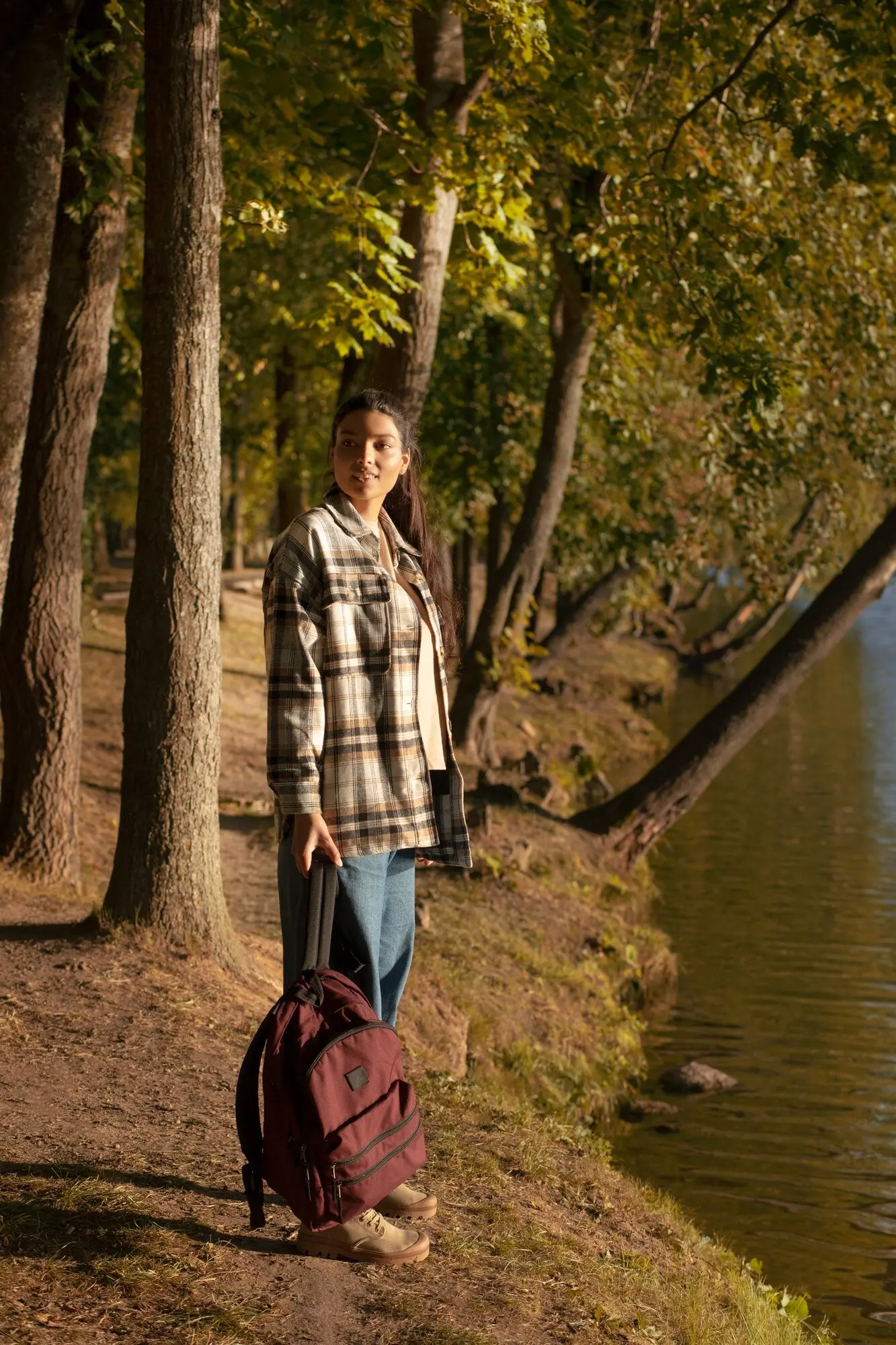
Design a kit that is compact for aisles and overhead racks yet resilient for long days under changeable skies. Prioritize compressible insulation, a shelter that pitches fast on variable ground, and a pack that fits crowded carriages without bruising neighbors. Embrace modular organization so tickets, IDs, and snacks are always reachable. Choose textiles that dry quickly in station breezeways, pack odor-resistant layers for close quarters, and weigh every gram against genuine on-trail utility.

Backpack Dimensions and Overhead Racks
Select a volume that slides into luggage shelves or stands upright at your feet without dominating shared space. Frame or frameless depends on your load discipline, but height matters more than width on busy routes. Practice stowing poles, ice axe covers, and dangling straps so nothing snags. Keep a seat-side pouch for tickets and headphones, reserving the main compartment for soft items that compress on demand. Politeness, like Dyneema, is surprisingly strong yet wonderfully light.
Footwear for Platforms and Peaks
Balance grippy lugs with platform traction, choosing outsoles that won’t skate on smooth tiles after rain. Low-cut trail shoes dry quickly during connections and breathe on hot carriages, while mid-height options add ankle assurance across ballast shortcuts. Break everything in beforehand to avoid troubleshooting blisters at ticket barriers. Pack thin camp socks for the ride home, sparing fellow passengers the aroma of victory while you savor a final chocolate bar and map your next line-linked ramble.
Food Strategy Without a Stove
Lean on no-cook meals that thrive in station courtyards and wild camps alike: couscous cold-soaked in a peanut sachet, tortillas with tuna and olives, dehydrated hummus, and quick oats with powdered milk. Time grocery stops with train arrivals to refresh produce and morale. Use resealable bags to segment days and reduce rummaging. If regulations limit fuel, treat that constraint as creative fuel, discovering delightful, crunchy, energy-dense combinations that refuse to wilt on swaying journeys.
One-Way Routes and Return Tickets
Point-to-point routes excel when they connect two stations with reliable evening services. Purchase flexible return tickets where possible, or store refundable options within a mobile wallet. If dynamic pricing applies, set alerts early. Mark intermediary stops that shorten the walk if conditions demand. When your final summit yields to city lights on the valley floor, you will already possess a pocket pathway home, paid for by foresight rather than rushed platform decisions.
Emergency Exits and Bailout Stations
Map parallel lines, request stops, and bus spurs that shadow your trail. Drop coordinates into your navigation app with notes on service frequency and last departures. A twisted ankle or flooded ford becomes a detour rather than an ordeal when you can descend to a platform within two hours. Add an envelope of local cash, an offline station map, and a shortlist of cab numbers for those rare gaps where public transport sleeps early.
Insurance, Notifications, and Tracking
Confirm that your travel insurance recognizes rail-linked trekking and any international borders crossed on foot. Share a concise plan with a trusted contact, including station names, route files, and planned check-in times. Enable satellite or cellular tracking within privacy comfort zones, and annotate shelters, escape valleys, and water sources. Preparation is not pessimism; it is a compass that points toward freedom. With safeguards in place, each departing whistle becomes a starting bell for wonder.
From Platform Signs to Trail Blazes
Transform an urban concourse into a trailhead by mastering micro-navigation between signage systems. Trace tactile paving, foot tunnels, and pedestrian crossings that funnel you toward green corridors and waymarks. Reconcile station maps with trail guideposts, creating a seamless handoff between transport infrastructure and natural terrain. When signage fails, your offline layers, bearing practice, and calm observational skills bridge the gap, turning the first kilometer into a confident, curiosity-fueled prologue to bigger miles.
Downloading Offline Maps and Schedules
Before departure, cache topo maps, GPX files, and entire rail lines with station schematics. Screenshots of platform boards and emergency notices can save your day when data drops. Layer contour shading, water taps, and shelters, then mark meeting points for companions. Battery management matters too: airplane mode, low-brightness, and a compact power bank keep guidance alive. This quiet groundwork makes every tunnel, viaduct, and switchback part of an uninterrupted narrative you can trust.
Waypoints: Platforms, Water Sources, Camps
Create a coherent constellation of markers: primary station exits, late-night open restrooms, reliable taps, and legal camp zones. Add alternative pitches for wind shifts, plus scenic benches for snack breaks during timetable buffers. Group icons by color so micro-decisions feel effortless under fatigue. When clouds lower or crowds swell, your planned constellation shines brightest, guiding you from polished tiles to pine needles with the elegant inevitability of a well-rehearsed, yet always surprising, journey.
First Steps: Three Journeys That Began at a Station Bench
{{SECTION_SUBTITLE}}
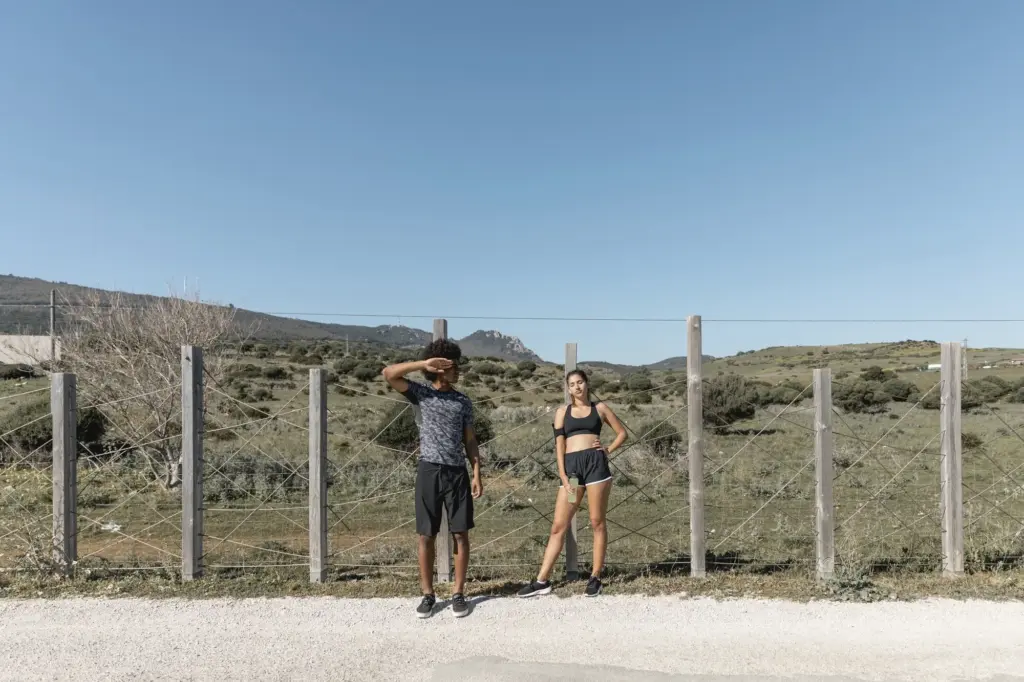
Coastline Rambler After the 6:12 Local
A commuter line released us beside dune grass and gulls, our packs small and spirits tall. A missed coffee turned into a tidal window we had not planned for, gifting firm sand and playful reflections. A lighthouse keeper offered wind advice, and we trimmed a headland traverse just enough to catch the last village bakery. The receipt, crinkled and salt-stained, still marks the moment trains and tides negotiated our perfect stride.
Alpine Traverse Between Two Last Stops
The final car sighed into a mountain terminus, leaving silence shaped like peaks. With thunderstorms pacing the valley, we advanced before noon, threading cable car stations and farm lanes into high pasture. A shepherd’s weather lore adjusted our camp by one saddle, trading drama for distant lightning theater. At the far terminus, days later, we boarded sun-stunned and dusted in wild thyme, carrying a new respect for punctuality measured in horizons.
Lower-Carbon Adventure Planning
Trains shrink your footprint while expanding your radius. Compare emissions saved against car hires and shuttles, then invest those savings in better gear longevity and local trail donations. Choose routes that favor public transport resilience, encouraging operators to maintain off-peak coverage. Align camp ethics with station etiquette, modeling care in both forests and waiting rooms. A consistent, rail-first habit turns individual trips into a meaningful pattern of stewardship woven through daily choices.
Calculating Emissions Saved by Rail
Use transparent calculators to estimate kilograms of CO₂ avoided across your journey. Record baselines for equivalent car travel, including rental pickups and detours, then compare outcomes across seasons. Share the numbers alongside photos so inspiration arrives with evidence. The arithmetic need not be perfect to be persuasive; even rough tallies encourage friends and readers to consider schedules over steering wheels, proving that access, adventure, and responsibility can share a timetable.
Leave No Trace, Starting in the Concourse
Ethics begin before the trailhead. Pack out tickets, snack wrappers, and coffee lids, even when bins overflow. Speak courteously with staff, queue patiently, and tread gently on landscaped approaches. On trail, respect quiet hours, dispersed camping guidelines, and sensitive flora. The continuity matters: if civility thrives in tiled halls, it follows you into heather and scree. By linking courtesy and conservation, your itinerary becomes a moving classroom for travelers who notice and emulate.

Post Your Station-to-Start Photos
Document the precise stairwell, ticket gate, or alley that leads to the trail, adding arrows, captions, and quick safety notes. These images transform vague directions into actionable confidence for first-time visitors. Tag water taps, benches, and shops with hours. When storms or construction change the landscape, update the thread so accuracy persists. Together, we replace anxiety with clarity, one helpful snapshot at a time, amplifying everyone’s momentum from arrival to first stride.

Crowdsource Timetable Tweaks and Water Notes
Submit updated departure times, platform changes, or seasonal reductions with sources and dates. Add spring flow status, campground closures, and detour signage as concise bullets within shared maps. Celebrate the small wins, like discovering a late-opening bakery or confirming a Sunday bus. Collective intelligence thrives on specifics, humility, and gratitude. Your five-minute update can rescue a stranger’s weekend, turning missed trains or dry creeks into solvable puzzles rather than reasons to stay home.