Leave the Car, Keep the Adventure: Family Camping Made Easy

Today we explore family-friendly car-free campgrounds with onsite gear rentals and convenient shuttles, showing how to lighten packing, reduce stress, and maximize playtime. Discover how rental tents, strollers, and cooking kits meet real needs, while shuttle loops unlock trails, beaches, and ranger programs without traffic, tantrums, or parking headaches. Share your family’s questions and car-free tips in the comments, and subscribe for fresh campground spotlights, printable checklists, and new shuttle-savvy itineraries.

Why Car-Free Camping Works for Families

Removing vehicles from campsites changes energy and safety in meaningful ways. With fewer engines and doors, kids wander more confidently, caregivers relax, and birdsong replaces idling. Add gear rentals and shuttle access, and suddenly weekends become gentler, lighter, and more spontaneous, even for first-timers juggling naps and snacks.

Less Stress, More Play

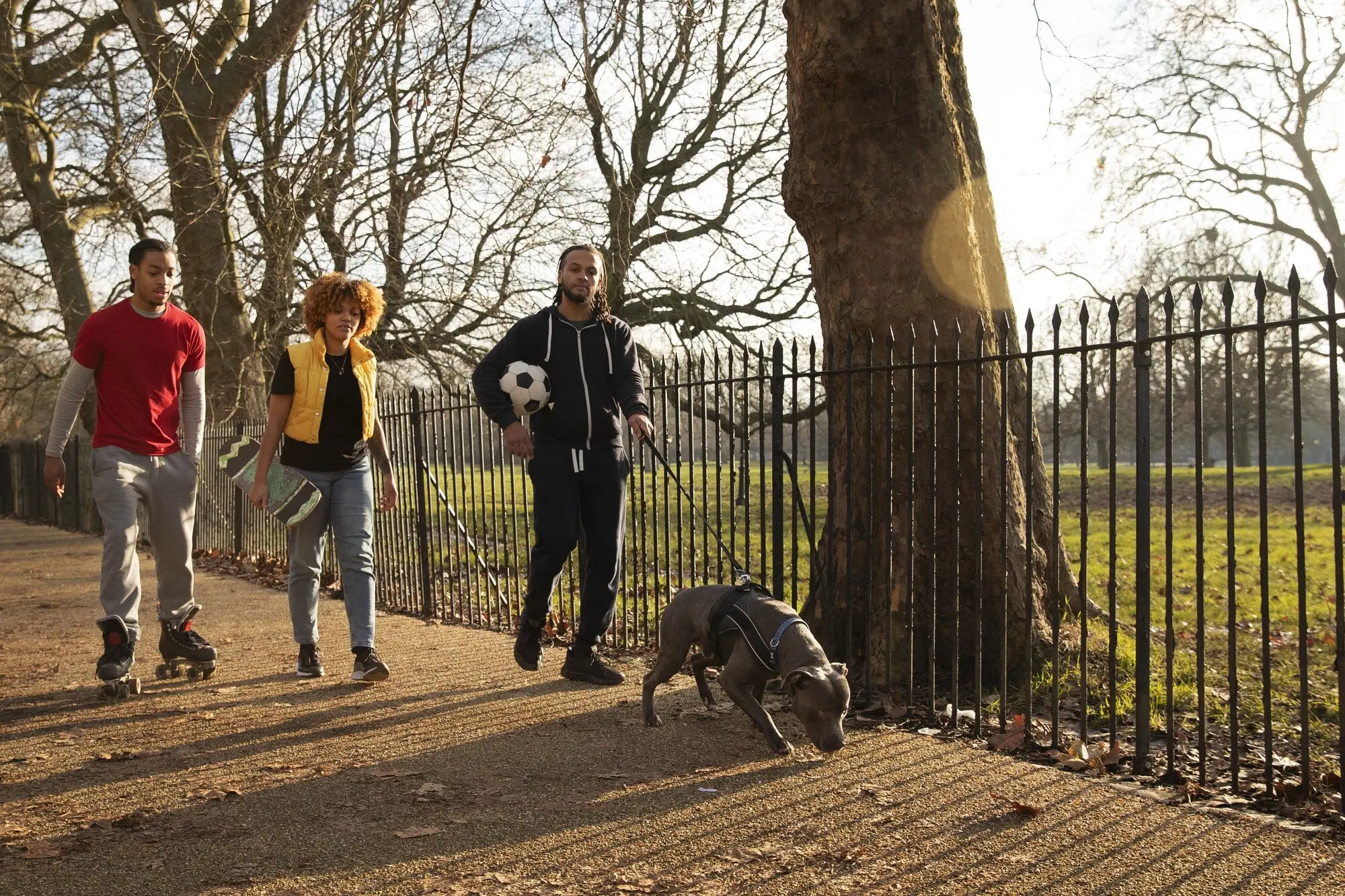
Without the constant threat of traffic, campsite life slows to a playful rhythm. Parents quit counting car passes and start counting ladybugs. Shuttles move the group smoothly, while rentals eliminate frantic repacking, so energy shifts from logistics toward storytelling, marshmallow timing, and finding that perfect skipping stone.

Cleaner Air, Quieter Nights

Fewer tailpipes mean clearer lungs and fewer headaches, especially for little campers learning to breathe calm outdoor air. Quiet shuttle schedules reduce evening rumble, encouraging earlier bedtimes and deeper sleep. Morning coffee actually tastes like pine and dew rather than exhaust and distant honking from overflowing parking lots.

Freedom to Roam Safely

Car-free loops, stroller-ready paths, and obvious shuttle stops make boundaries easier to define and respect. Kids grasp where they can run, scoot, or explore, while adults can supervise from a relaxed distance. That clarity turns curious energy into confident, independent movement instead of constant shouts and cautionary whistles.

Research Smarter, Book Better

Use filters that highlight vehicle-free zones, shuttle frequency, and rental inventory visibility. Cross-check availability calendars against local festivals that crowd trails. Call ahead to confirm tent sizes, sleeping pad thicknesses, and late shuttle options after evening programs, ensuring small legs are carried by wheels, not weary shoulders.

Amenities That Truly Matter

Prioritize dishwashing stations at kid height, bear-proof storage near sites, and gear repair kits on call. Seek playgrounds within sightlines of common areas. Reliable Wi‑Fi is optional, but good lighting, clear signage, and responsive staff transform first-time jitters into steady confidence when clouds gather quickly.

Understand Access and Layout

Examine how shuttles circulate, where rental returns happen, and which quiet loops host families. Identify rest stops between points of interest, especially for toddlers. Pay attention to slope gradients, boardwalk conditions, and bridge widths, because comfort with wheels matters as much as vistas, views, and postcard moments.

Pack Less with Onsite Rentals

Skip bulky bins and let the campground’s outfitter shoulder complexity. Quality tents, pads, cots, strollers, coolers, and cooking sets are maintained, dried, and ready. With teaching-oriented staff, fittings become mini lessons, building confidence while shrinking packing lists, baggage fees, trunk Tetris, and last-minute hardware store pilgrimages.

Timing and Transfers

Plan morning departures to beat heat and lines, then schedule an afternoon loop that aligns with naps. If transferring, allow generous buffers, since little legs discover puddles, sticks, and questions. Post the last-bus time at camp, turning curiosity into punctuality without anxious clock-watching or unnecessary sprint finishes.

Packing for Smooth Boarding

Use a single soft duffel or daypack per adult, plus one kid tote for treasures. Keep tickets, snacks, water, and lightweight layers in quick-grab pockets. Bundle tent or chair rentals with labeled ties. Uncluttered boarding keeps schedules intact and reduces mid-ride rummaging that spills into surprised laps.

Accessibility and Special Requests

Confirm space for strollers, foldable wagons, and mobility devices. Ask about priority seating and securements. If your child is noise-sensitive, request a forward seat near the driver’s calm focus. Sharing needs early helps operators prepare solutions, transforming potential friction points into considerate, practiced routines everyone appreciates by week’s end.

Activities That Thrive Without Cars

Once engines fade, subtle wonders surface. Ranger talks feel intimate, owls call sooner, and night skies deepen. Create scavenger hunts, micro-hikes, and shoreline science moments. Rotate leadership roles among kids, celebrating navigators, wildlife spotters, and storytellers, turning ordinary loops into adventures stitched together by shared curiosity and laughter.
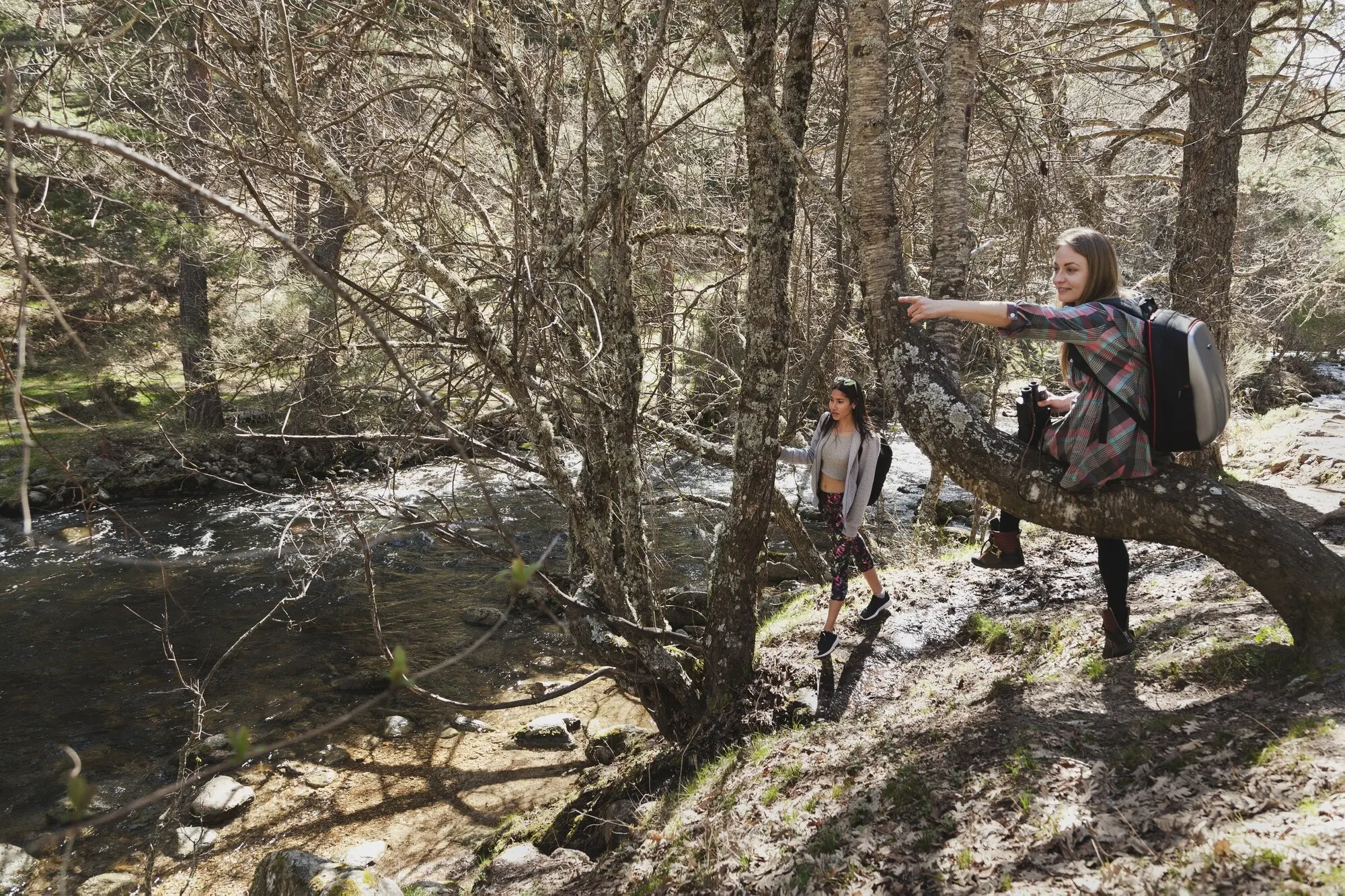
Pick loop trails with frequent landmarks, like bridges, mossy logs, and painted blazes. Invite kids to guide, calling out turns and counting songbirds. With shuttles nearby, you can right-size distance confidently, rewarding explorers with riverside picnics, toes in eddies, and sticky smiles powered by simple granola victories.
Rental cookware and shuttle-bundled firewood remove last-minute scrambles. Plan a singalong, share legends, and toast fruit with cinnamon instead of only marshmallows. Keep a small kettle humming for cocoa refills. With vehicles absent, voices carry softly, and bedtime rituals settle faster under stars that feel suddenly closer.
Car-free does not cancel fun when clouds burst. Visit nature centers by shuttle, borrow game sets at the rental desk, and explore puddle physics in bright boots. Story circles bloom under shelters, while hot soup simmers steady, making weather a co-author rather than a frustrating spoiler.

Safety, Etiquette, and Stewardship

Confident trips blend preparation with kindness. Review wildlife protocols, water safety, and fire rules with children using simple language. Model quiet hours, dim headlamps, and mindful paths around tents. Pack reusable containers, borrow rather than buy, and return gear spotless, preserving resources and friendships across many future weekends.
Siratemisanolentoravotorazera
Privacy Overview

This website uses cookies so that we can provide you with the best user experience possible. Cookie information is stored in your browser and performs functions such as recognising you when you return to our website and helping our team to understand which sections of the website you find most interesting and useful.