Hut-to-Hut Adventures You Can Reach by Train and Bus
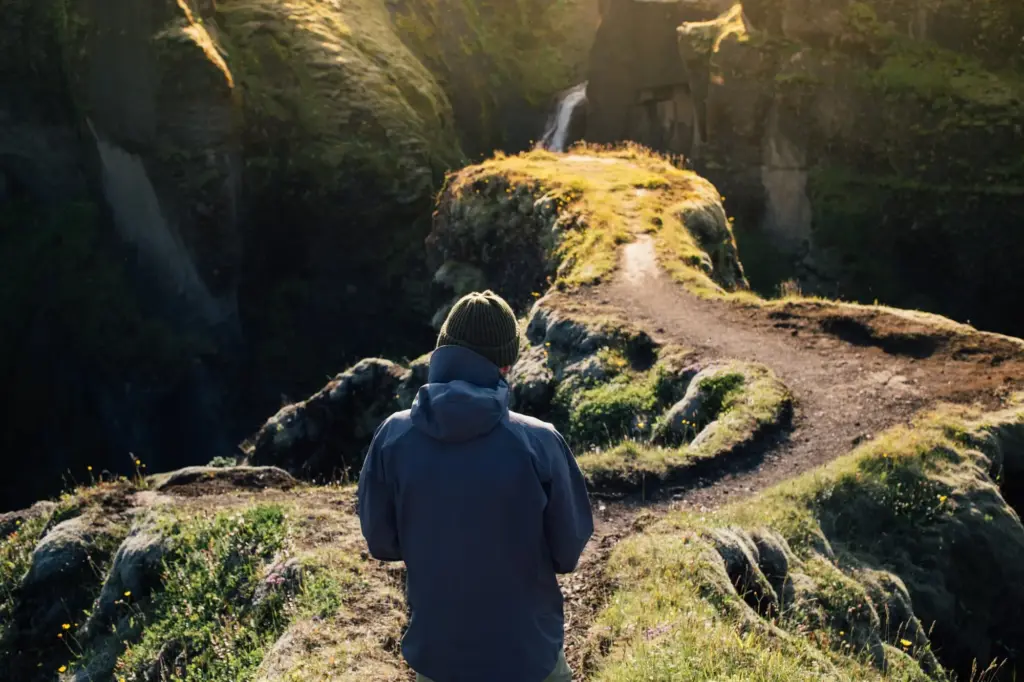
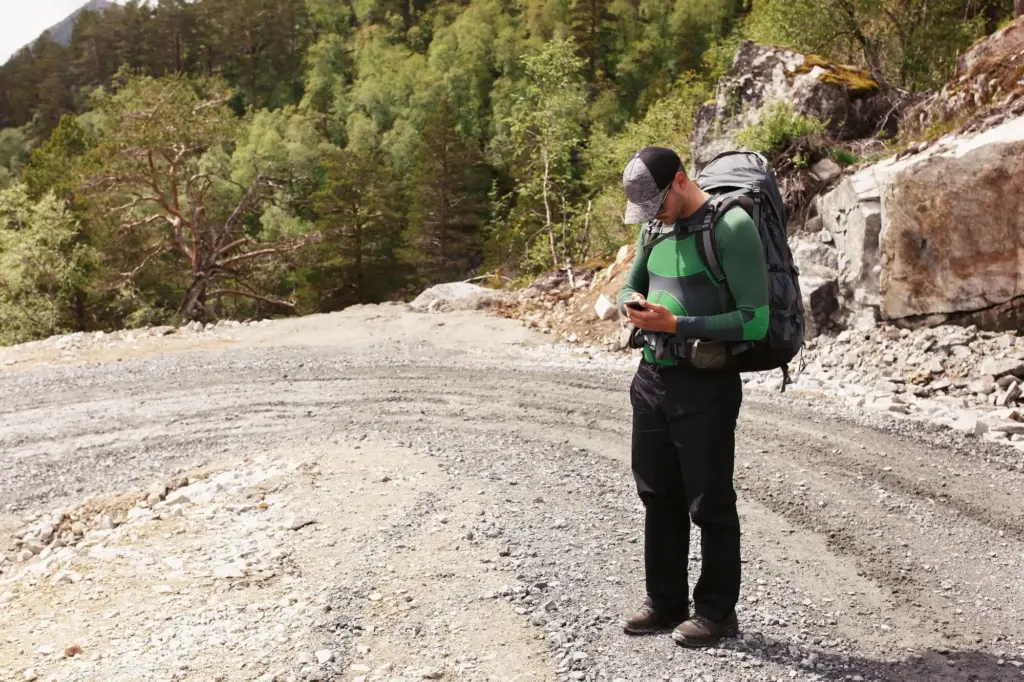
Step out of a station, shoulder your pack, and set off toward a welcoming mountain refuge. This guide explores hut-to-hut trekking routes reachable by public transit, showing how trains, buses, and even ferries can shape flexible, low-carbon journeys. Expect practical planning tips, compelling itineraries, and stories gathered from ridgelines and dining rooms where strangers become friends, proving you can leave the keys at home while opening the door to bigger horizons.

Getting There Without a Car

Reaching the trailhead by public transit starts with embracing connections as part of the adventure. Stations often sit in valley hubs with lockers, supermarkets, and early cafés, letting you fuel up before the first switchback. Coordinate trains, regional buses, cableways, and ferries with generous buffers, and note last departures to avoid sprint finishes. With thoughtful sequencing, you step from platform to path calmly, conserving energy for views, not logistics, and returning with the same easy grace.

Choosing Transit-Friendly Mountain Gateways

Pick hubs with frequent services and simple transfers, where morning departures place you at altitude before midday weather builds. Think rail towns backed by cable cars, bus-linked valleys with well-signed junctions, and ferry-served lakes that unlock balcony trails without a single parking decision.

Cracking Timetables and the Last Mile

Learn the rhythm of departures like a river’s pulse, and you will stop fighting time. Cross-check national rail planners with regional bus schedules and lift timetables, watching for seasonal gaps or lunch breaks. When available, reserve critical seats and screenshot everything for offline certainty.

Buffer Days, Bivouacs, and Plan B Connections

Even the best schedules bend. Add a soft prologue day near the gateway to shake off jet lag, buy gas canisters, and confirm hut details. Keep alternate exits and extra valley buses in mind so a storm becomes a story, not a scramble.

Linking Huts into a Memorable Line

Think in contours and conversations. A satisfying sequence balances elevation gain, reliable water, and beds secured ahead of time, leaving space for serendipity at sunset. Decide between loops that simplify transit or traverses that thread two stations, then let terrain, forecasts, and hut culture shape each day’s cadence.

Bookings, Memberships, and Bed Types

Confirm opening dates, meal options, and payment methods before lacing boots. Alpine associations often provide discounts, reciprocal rights, and up-to-date notices, while DNT-style systems may use keys and honesty boxes. Expect dorms, private rooms in popular areas, and shared tables where camaraderie nourishes like soup.

Pacing: Elevation, Time, and Terrain

Use map profiles and Naismith-style rules as guides, then adjust for technical ground, heat, and photo stops. A thousand meters gained on smooth trail differs from airy ledges or talus. Calibrate ambitions to daylight, hut dinner times, and the joy of arriving unhurried.

Weather Windows and Seasonal Operations

Mountain transport, bridges, and huts operate seasonally, and shoulder weeks can be glorious or complicated. Read regional notices, call wardens, and watch freezing levels. Summer thunderstorms favor early starts, while autumn brings crisp clarity and shorter days. Winter traverses demand avalanche literacy and entirely different equipment.

Packing Light, Living Well in the Huts
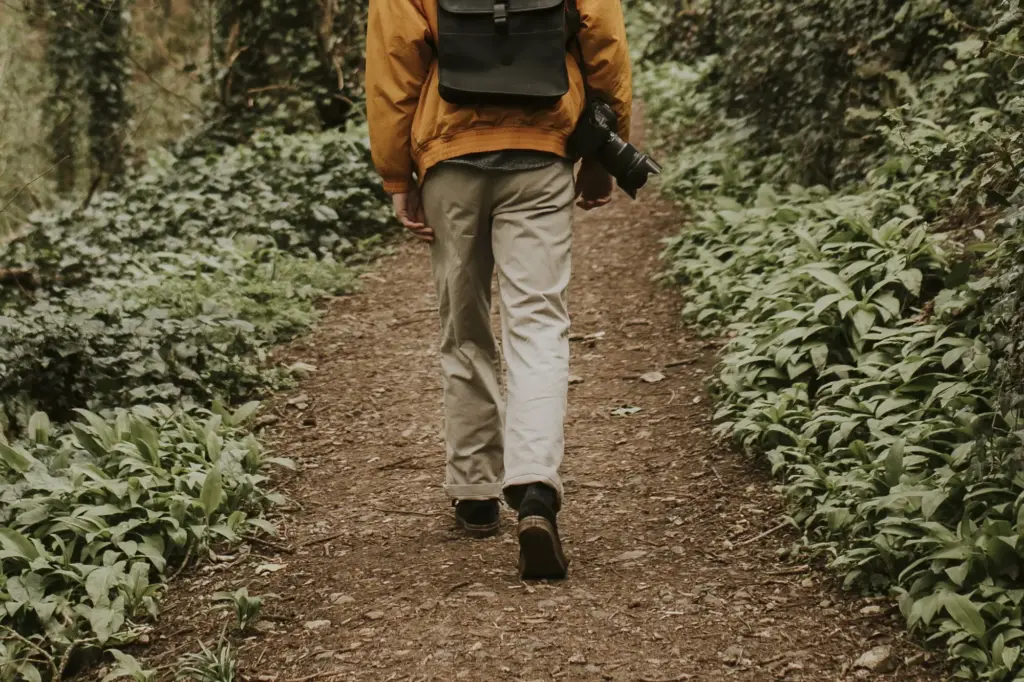
Start with sturdy shoes, efficient shells, sun protection, and a warm layer that actually lives outside your pack at rest stops. Add earplugs, a headlamp, hut slippers, and a compact power bank. A light towel and tea bags deliver morale at minimal weight.
Kindness echoes between bunks. Pack quietly, stash crinkly bags, and keep headlamps on red at dawn. Use drying rooms thoughtfully, reserve boot racks for wet monsters, and follow staff guidance. Shared meals, cheerful chores, and early silence weave strangers into a relaxed, restorative night.
Huts vary widely: some serve lavish half-board, others sell soup and chocolate, while a few expect self-catering. Carry snacks you love, confirm potable water, and bring purification for streams. Remote places may be cash-only; always verify, and communicate dietary needs early and clearly.

Sample Itineraries, Step Off the Platform and Go

Use these sketches as springboards rather than scripts. Each pairing begins and ends at a stop served by reliable public transit, letting you hop from rails to ridges with confidence. Adjust for fitness, weather, and hut openings, then savor the long, unhurried glide back to the station.

Navigation, Safety, and Good Decisions

Confidence grows from preparation. Study signage systems and contour lines, save offline maps, and agree on daily decision points before clouds gather. Respect thunderstorms, snowfields, and fatigue, and remember that turning around is success when paired with a cold drink, a laugh, and tomorrow’s clearer window.

Waymarks, Apps, and Old-School Backups

Follow painted blazes, cairns, and signposts, but carry redundancy. Download detailed layers and GPX tracks, then pack a paper map and a small compass that works without batteries. Practice before departure so the tools feel friendly when fog softens ridgelines into riddles.

Hazards You Can Anticipate and Avoid

Thunderstorms often build after lunch, snow lingers in shaded gullies, and heat can turn easy grades into slogs. Start early, carry insulation and sun gear, and treat slick slabs with respect. Choose conservative lines when backpacks feel clumsy, and keep groups spaced on exposure.

Emergency Numbers and Communication Plans

Save local numbers, including 112 across much of Europe and 1414 for Swiss air rescue, and verify coverage at huts. Texts often squeeze through when calls fail. Share your itinerary with a trusted friend, establish check-in times, and carry a small satellite messenger if going remote.

Travel Light on the Planet, Heavy on Connection
Counting Carbon and Choosing Better Connections

Comparing emissions clarifies choices: a train can cut per-person impact dramatically versus rental cars or short flights. Night services trade hotels for progress, while generous transfers keep stress low. Pick routes with renewable-powered lifts where possible, and celebrate the art of unhurried arrival.

Supporting Mountain Communities Beyond the Trail

Pay fair hut fees, tip when appropriate, and buy local cheese, bread, and fruit near stations. Membership dues fund trail work and rescue teams. Attend seasonal festivals between stages, learn greetings in the regional language, and leave every shared space tidier than you found it.

Share Your Story and Help Others Plan

We would love your questions, tweaks, and triumphs. Comment with transit tips, hut impressions, and GPX links, or subscribe and reply with your next dream crossing. Your lessons reduce guesswork for newcomers, and your photos remind veterans that magic lives just one platform away.
Siratemisanolentoravotorazera
Privacy Overview

This website uses cookies so that we can provide you with the best user experience possible. Cookie information is stored in your browser and performs functions such as recognising you when you return to our website and helping our team to understand which sections of the website you find most interesting and useful.